Specialist selection
By budget, period, and taste we select tea utensils, ceramics, lacquer, and other fields with care.

Rooted in cultural depth, drawn from Eastern aesthetics. Ichigo ichie — vessels that carry a thousand autumns.
By budget, period, and taste we select tea utensils, ceramics, lacquer, and other fields with care.
From Osaka we work with auctions, dealer networks, and long-held private collections.
More than a sale: we speak of the period, atmosphere, and story behind an object.
From authority and inspection to export clearance, steps and fees are written down — nothing hidden.
Based in Osaka, DAIKICHI CO., LTD. connects Japan’s antique-art market with collectors worldwide, with care and rigour.
Beyond buying and searching, we help each object that carries history and culture find a kindred keeper, to be preserved and passed on.
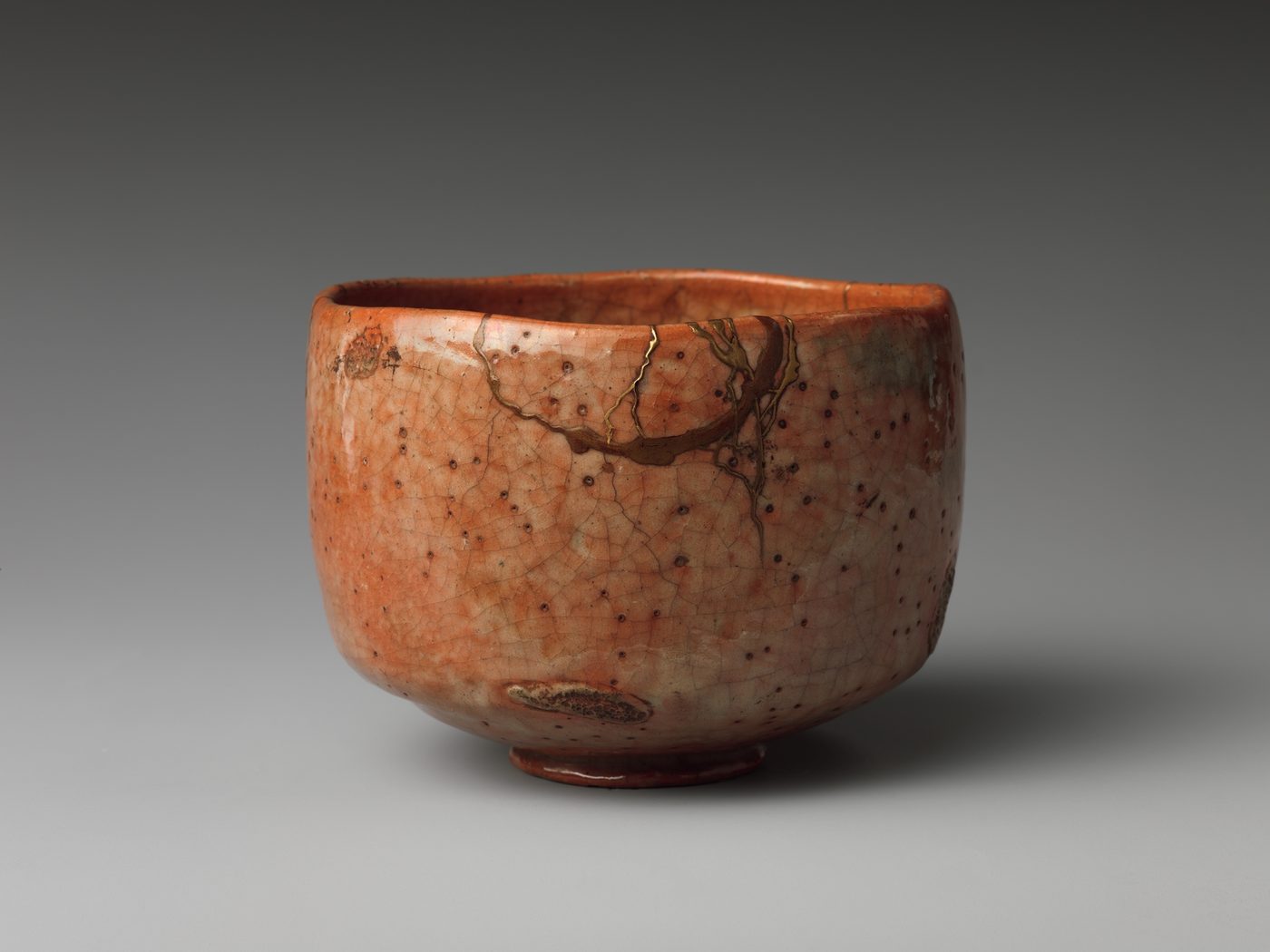
Bowls, caddies, water jars, flower vases
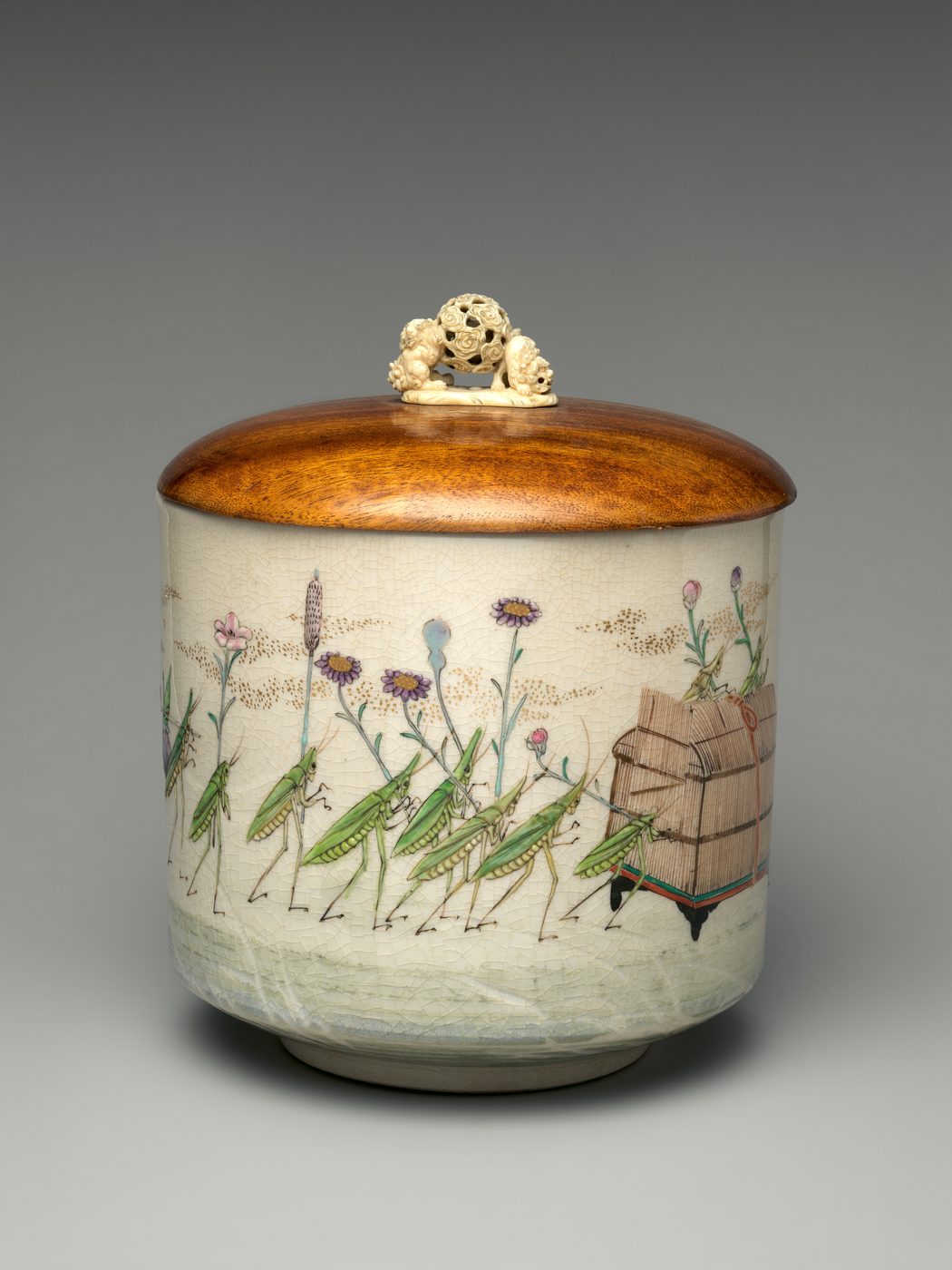
Raku, Karatsu, Shino, and historic kilns
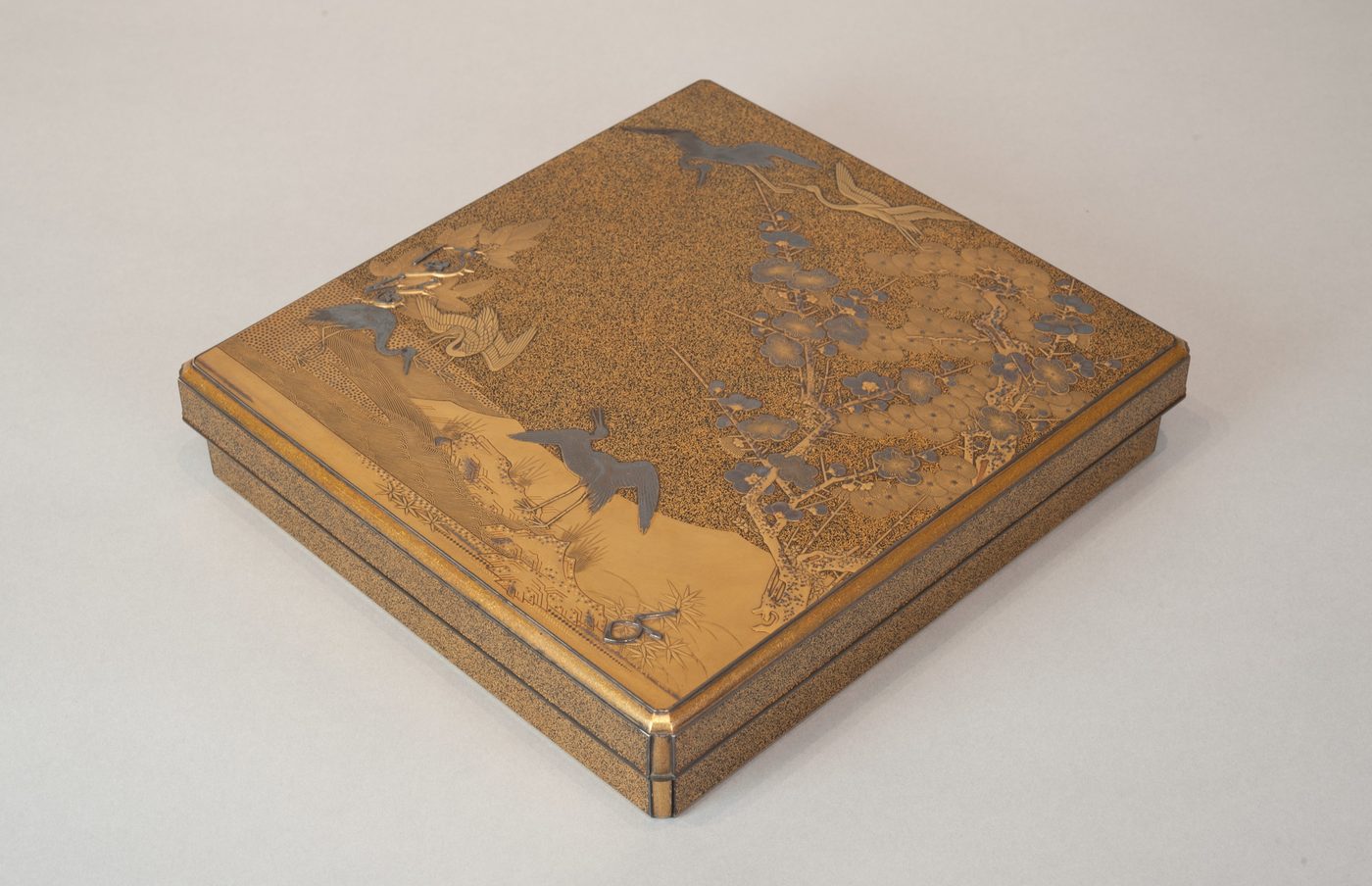
Maki-e, raden, and writing furnishings
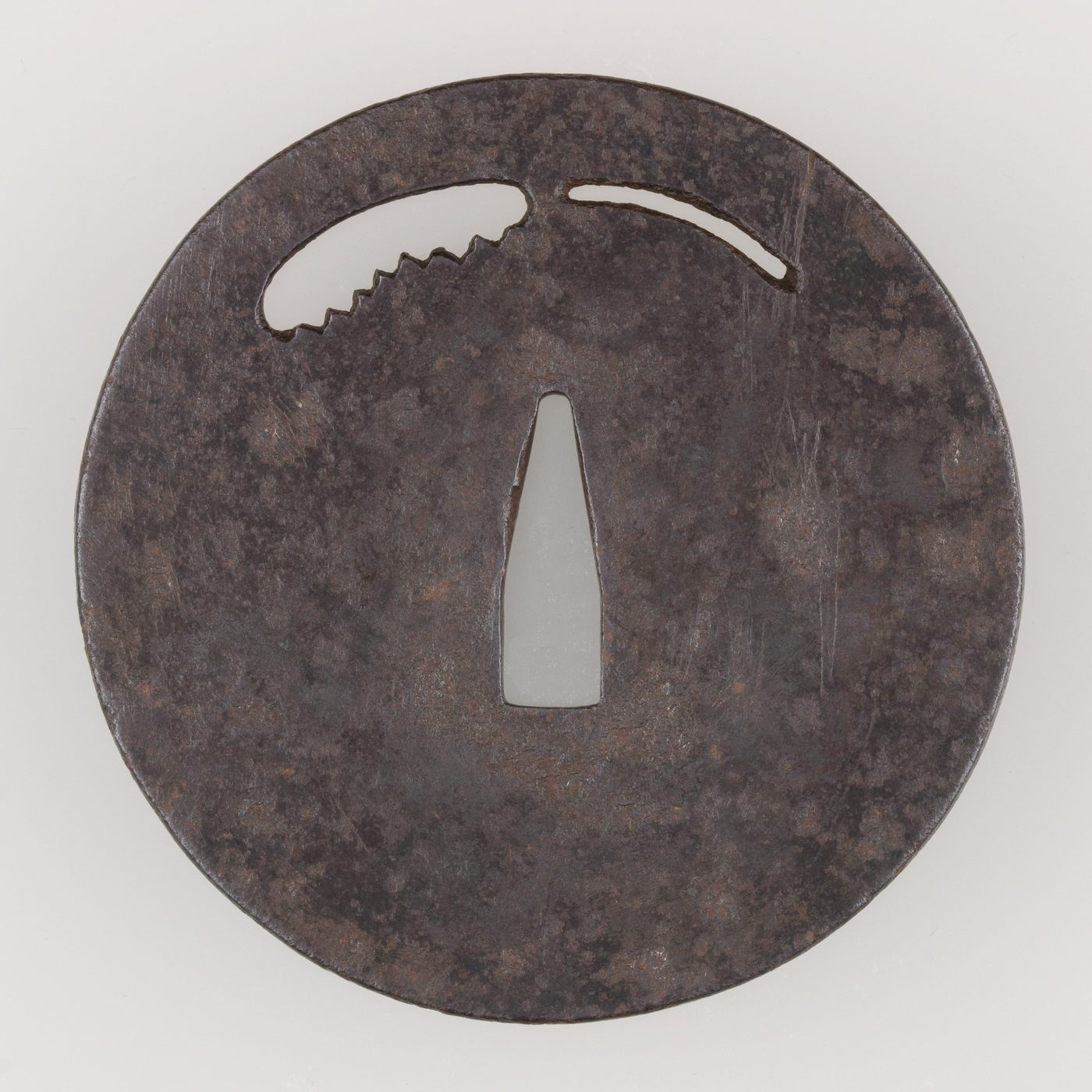
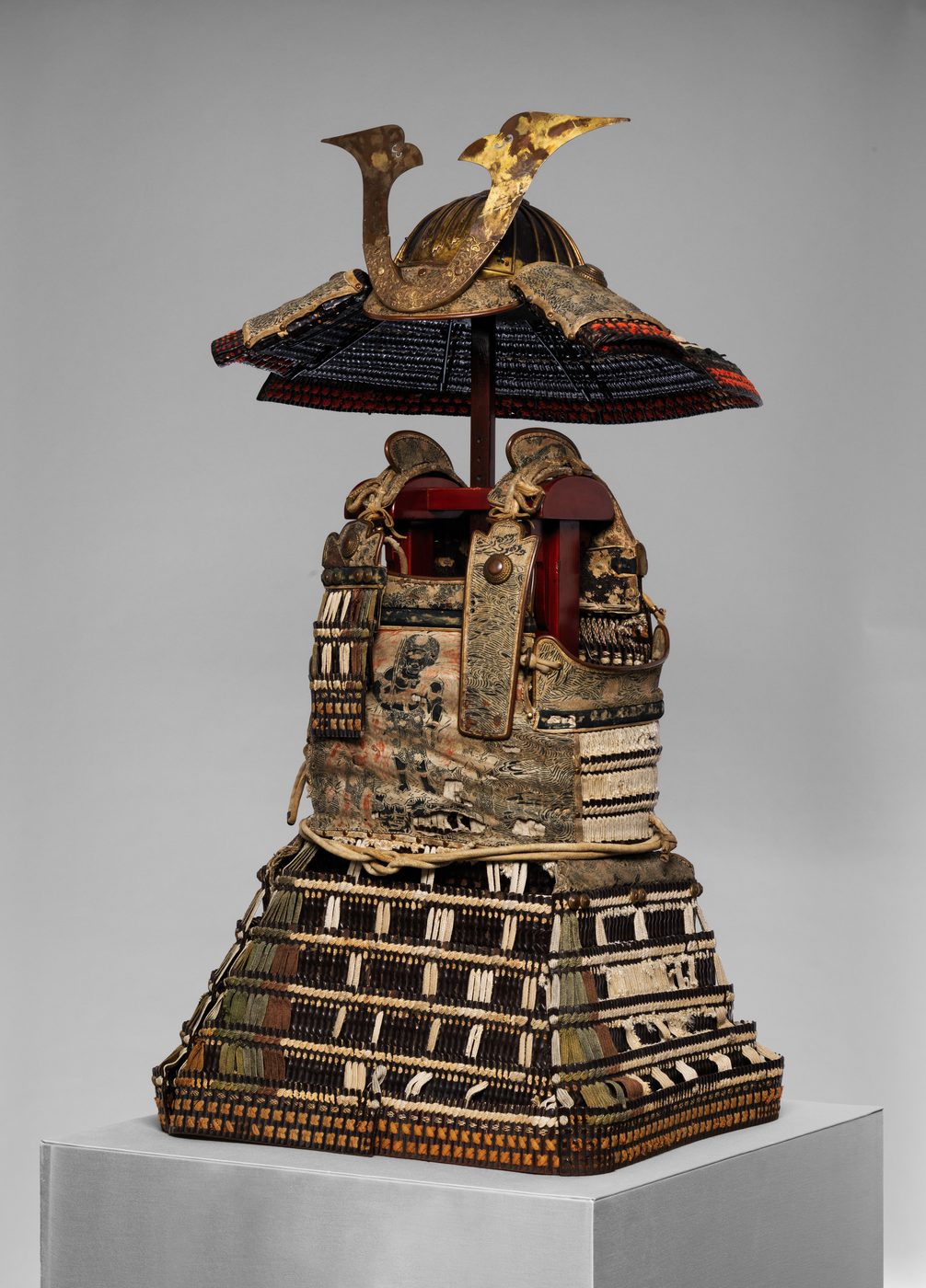
Tachi, katana, and tsuba
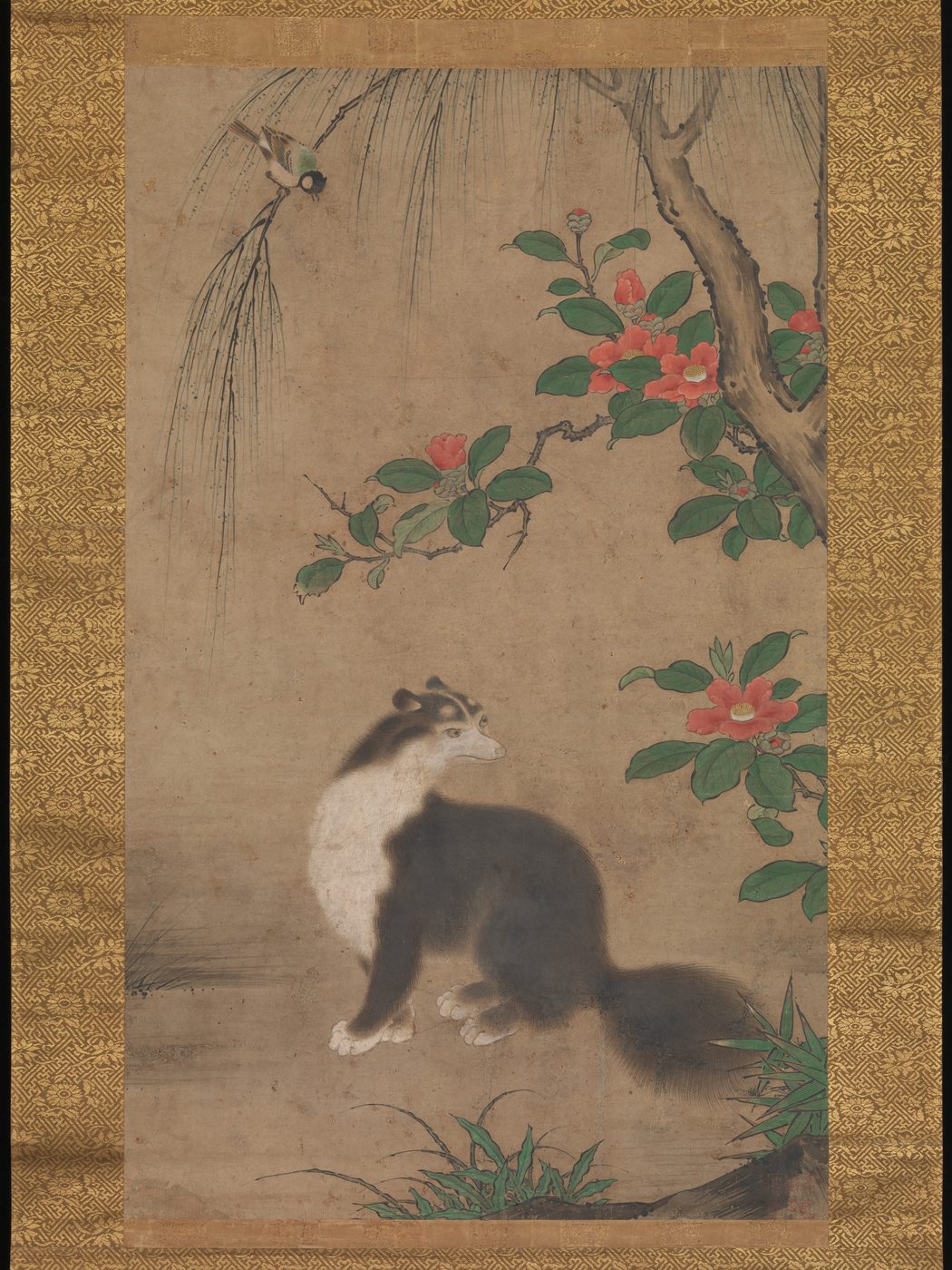
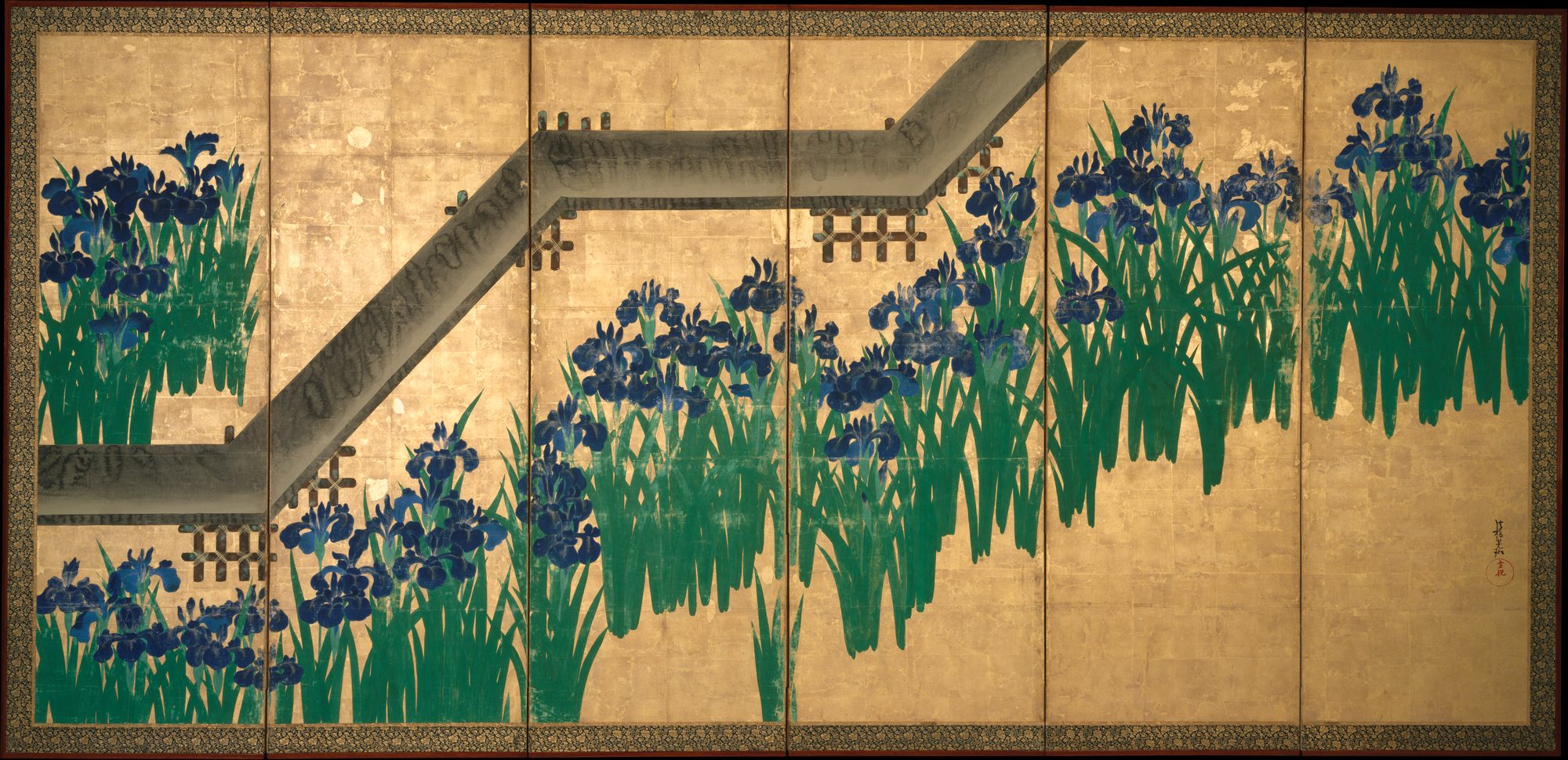
Hanging scrolls and Rinpa gold screens
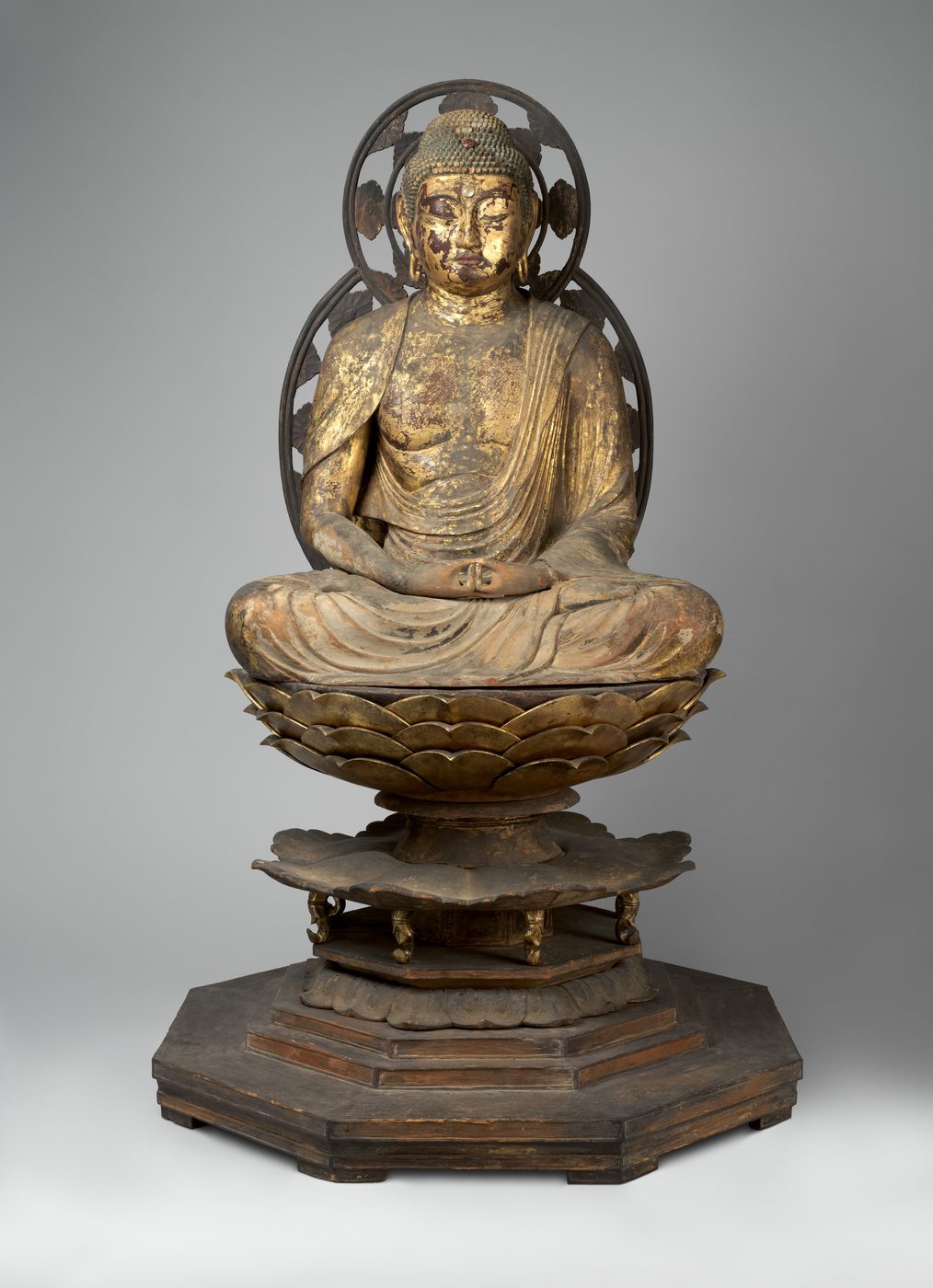
Sculpture, painting, and ritual objects
Authenticity and provenance in antique art are inherently complex. Based in Japan, Daikichi screens works by checking historical catalogues, researching sellers, and examining objects at close range. For major pieces we can help arrange review by recognised Japanese authorities or specialists. Where we cannot independently confirm a work, we stay with the facts and never issue a false guarantee of authenticity.
Yes. Daikichi works in Chinese, Japanese, and English. Tell us what you need in the language you prefer; we handle all Japanese communication and paperwork with auction houses, private holders, and customs.
Yes. We can record your request in Daikichi’s private-search file. Fine works by named artists are scarce; timing depends on what comes to market, the holder’s willingness to sell, and whether condition and price align.
We check Japanese export rules and the destination’s customs requirements piece by piece. Swords require an export permit from Japan’s Agency for Cultural Affairs; materials such as ivory or tortoiseshell fall under CITES. Daikichi handles compliant clearance, packing, and transit insurance.
Daikichi keeps fees transparent. Private search, auction bidding, and logistics each have a set rate or itemised fee. Before we begin we give a written schedule of service charges, tax, auction commission, and estimated freight — no hidden costs.
You are welcome by appointment. To protect privacy and the quality of each visit, the Osaka space is appointment-only. What can be viewed depends on current stock and the handover of recently purchased works.